How to prevent mold growth after water damage in Varina
Mold can start growing in Varina homes within 24 to 48 hours of water damage. Here's how to stop it, dry your home, and know when to call a pro.
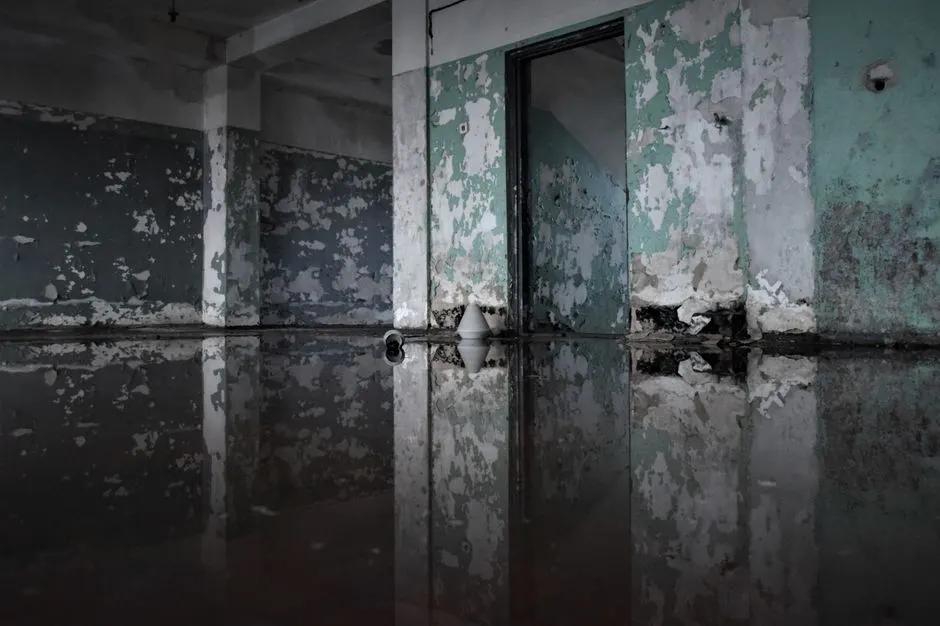
You have about 24 to 48 hours to start drying out a Varina home before mold begins to colonize wet drywall, insulation, and wood. The single most effective way to prevent mold growth after water damage in Varina is to remove standing water and get the affected materials below 60% relative humidity within that window. Everything else - fans, dehumidifiers, antimicrobial sprays - supports that core goal. This guide walks you through exactly how mold grows in Varina's climate, what you can do yourself, and when to call in a professional storm damage restoration company Henrico Virginia homeowners trust.
Why mold grows so fast after water damage in Varina
Mold needs three things to grow: moisture, organic material, and temperatures between 40°F and 100°F. Varina has all three in abundance. The James River keeps humidity high year-round, and our summers push indoor air conditioning systems to their limits, creating condensation on cold surfaces. When a storm pushes water into your home - through a roof leak, a failed sump pump, or a flooded crawl space - you have just created a mold incubator.
The mold spores are already there. They float in through open windows, ride on your clothes, and settle in household dust. They do not need a hurricane to start growing. A slow leak behind a washing machine or a roof leak that drips into attic insulation for a week is enough. In fact, we see more mold from slow, hidden leaks than from dramatic storm flooding because homeowners catch the big stuff fast and miss the small stuff for weeks.
Varina's housing stock makes this worse. Many homes here were built before 1980 and have crawl spaces rather than slab foundations. That means water from a storm or a burst pipe pools under the house, and the warm, dark, humid crawl space becomes a mold factory. The mold grows on floor joists and subfloor, then sends spores up into your living space through gaps in the flooring.
How long does it take for mold to grow after water damage in Varina Virginia?
Mold growth after water damage in Varina Virginia typically begins within 24 to 48 hours, and visible colonies can appear in as little as 72 hours on porous materials like drywall and carpet padding. The clock starts the moment the water touches a surface, not when you notice the stain on the ceiling. If your home flooded during a storm and the water sat overnight, you are already past the ideal window.
Temperature matters. In a Varina home kept at 72°F, mold can double its colony size every 12 to 24 hours once it starts. In a cooler basement or crawl space at 55°F, growth slows but does not stop. That is why we tell homeowners not to assume a cool, dark crawl space is safe. It is actually the highest-risk area in the house.
Humidity is the other lever. Mold needs relative humidity above 60% to thrive. If you can keep the affected area below 50% RH, you dramatically slow growth. A $20 hygrometer from any hardware store in Henrico will tell you exactly where you stand. Check it every few hours during the drying process.
Step-by-step: how to prevent mold growth after water damage in Varina
Here is the exact sequence we follow when we arrive at a water-damaged home in Varina. You can do the first few steps yourself while you wait for help.
- Stop the water source. If a pipe is still leaking, shut off the main valve. If the water came from a storm, make sure the rain has stopped and there is no ongoing intrusion. You cannot dry a room that is still getting wet.
- Remove standing water. Use a wet/dry shop vac, a mop, or towels to get up as much surface water as you can. Every gallon you remove is a gallon that does not have to evaporate into your air.
- Pull up wet carpet and padding. Carpet padding is a sponge. If it has been wet for more than 24 hours, it almost always has to go. Carpet itself can sometimes be saved if it is dried within 24 hours with professional equipment.
- Move furniture and belongings off wet floors. Wood furniture legs will wick water up into the piece. Put aluminum foil or plastic under legs to create a vapor barrier.
- Open interior doors and closets. Air needs to move through the whole house, not just the flooded room. Mold does not respect doorways.
- Run dehumidifiers and fans. Aim fans across wet surfaces, not directly at them. The goal is to move air and evaporate moisture, then have the dehumidifier pull that moisture out of the air.
- Check hidden spaces. Look inside cabinets, behind baseboards, and under flooring. Water travels sideways through wall cavities. If the drywall is soft or discolored, it may need to be cut out.
- Monitor humidity daily. Keep a hygrometer in the affected area. You want to see the number drop below 50% and stay there.
If you have a flooded basement or crawl space, the job gets bigger. Standing water in a crawl space can take weeks to dry with consumer fans alone. That is when you need crawl space water extraction Henrico equipment - truck-mounted units that pull hundreds of gallons per hour and industrial dehumidifiers that dry the space in days, not weeks.
The tools that actually dry a Varina home
Box fans and a household dehumidifier are a start, but they are not enough for a serious water intrusion. Here is what professional drying actually looks like.
- Air movers: High-velocity fans that push air at 2,500 to 3,000 CFM. They evaporate moisture from surfaces fast. A typical flooded room needs 4 to 6 of them.
- LGR dehumidifiers: Low-grain refrigerant units that pull 80 to 150 pints of water per day from the air. A consumer unit pulls 30 pints at best.
- Moisture meters: Pin and pinless meters that tell you exactly how wet the drywall or wood is. You cannot see moisture inside a wall, but the meter can.
- Thermal imaging cameras: These show temperature differences that reveal hidden water behind walls and under floors.
- Air scrubbers: HEPA filters that trap mold spores and dust while you dry. They do not kill mold, but they keep spores from spreading to clean areas.
We use all of this equipment on every water damage restoration company Henrico Virginia job because drying a home is a science, not a guess. We measure moisture content daily and do not stop until the readings match a dry standard for the material.
Common mistakes that lead to mold growth in Varina homes
The biggest mistake we see is homeowners assuming that because the floor feels dry, the job is done. Water hides in wall cavities, under baseboards, and inside insulation. You can have a bone-dry carpet and a soaking wet wall cavity six inches away.
Second mistake: turning off the dehumidifier too soon. Mold can start growing again if humidity rises. We keep equipment running until moisture readings are within 10% of a dry standard, which usually takes 3 to 5 days for a moderate flood.
Third mistake: using bleach on porous surfaces. Bleach kills mold on contact but does not penetrate drywall or wood. The mold roots survive, and the colony comes back in a week. On non-porous surfaces like tile or glass, a diluted bleach solution works fine. On drywall, the only fix is removal and replacement.
Fourth mistake: ignoring the HVAC system. If floodwater or heavy humidity entered your ductwork, every time the system runs it spreads mold spores through the house. We see this often in Varina homes with flex duct in the crawl space. If your ducts were submerged, they need professional cleaning or replacement.
Fifth mistake: not documenting the damage. Your insurance adjuster needs photos and moisture readings before you start tearing things out. Take pictures of everything - the standing water, the wet drywall, the ruined carpet. If you need help with the claim, our storm damage claim help Henrico team can walk you through it.
When to call a professional for mold prevention in Varina
Call a professional when the water affected more than one room, when it came from a sewage backup or floodwater, when you see or smell mold, or when the affected area has been wet for more than 24 hours. Those are the situations where consumer equipment cannot dry fast enough to beat mold growth.
We also get called when homeowners are not sure. That is fine. A moisture inspection takes about 30 minutes and tells you exactly what you are dealing with. If the readings are dry, we tell you so and leave. If they are wet, we show you the numbers and explain what needs to happen.
Our team handles mold prevention and remediation across Varina and the rest of Henrico. We extract water, set up drying equipment, treat affected surfaces, and verify with moisture meters that the structure is dry before we pack up. If mold has already started, we contain the area, remove contaminated materials, and clean the air so spores do not spread to the rest of your home.
If you are dealing with a flooded basement, a wet crawl space, or a roof leak that soaked your attic, do not wait. The difference between a quick dry-out and a full mold remediation is often just a few hours. Call us at (804) 375-6073 and we will tell you what we see.
Frequently Asked Questions
How do I prevent mold growth after water damage in Varina?
Remove standing water within 24 hours, pull up wet carpet and padding, run dehumidifiers and air movers, and keep indoor humidity below 50%. If the water affected wall cavities or a crawl space, call a professional - consumer equipment rarely dries those spaces fast enough to stop mold.
How long does it take for mold to grow after water damage in Varina Virginia?
Mold can begin growing within 24 to 48 hours after water damage in Varina. Visible colonies typically appear within 72 hours on porous materials like drywall and carpet padding. In warm, humid conditions - common in Varina summers - the timeline can be even shorter.
Does insurance cover mold remediation in Varina?
Homeowners insurance in Virginia usually covers mold remediation when it results from a covered peril, such as a burst pipe or storm damage. It typically does not cover mold from long-term neglect or flooding unless you have separate flood insurance. We document everything and work directly with your adjuster.
What humidity level stops mold growth?
Keep indoor relative humidity below 50% to stop mold growth. Mold thrives above 60% RH. A hygrometer costs about $20 and is the single best tool for monitoring your drying progress. Check it every few hours in the affected area.
Can I stay in my home during mold remediation in Varina?
For small, contained areas, yes. For larger remediation - especially if mold is in HVAC ducts or multiple rooms - we recommend staying elsewhere until containment is set and air scrubbers have run for at least 24 hours. We will tell you honestly what is safe.
Get help with Storm Damage Restoration in Henrico
If your Varina home has water damage and you are worried about mold, call BlueRidge Storm Response at (804) 375-6073. We will inspect the damage, give you a clear plan, and start drying immediately.
We serve homeowners across Henrico with Storm Damage Restoration in Henrico, Virginia - from emergency water extraction to full mold remediation. One call, and we handle the rest.