Storm Damage Restoration
Storm Damage Restoration in Henrico, done right the first time
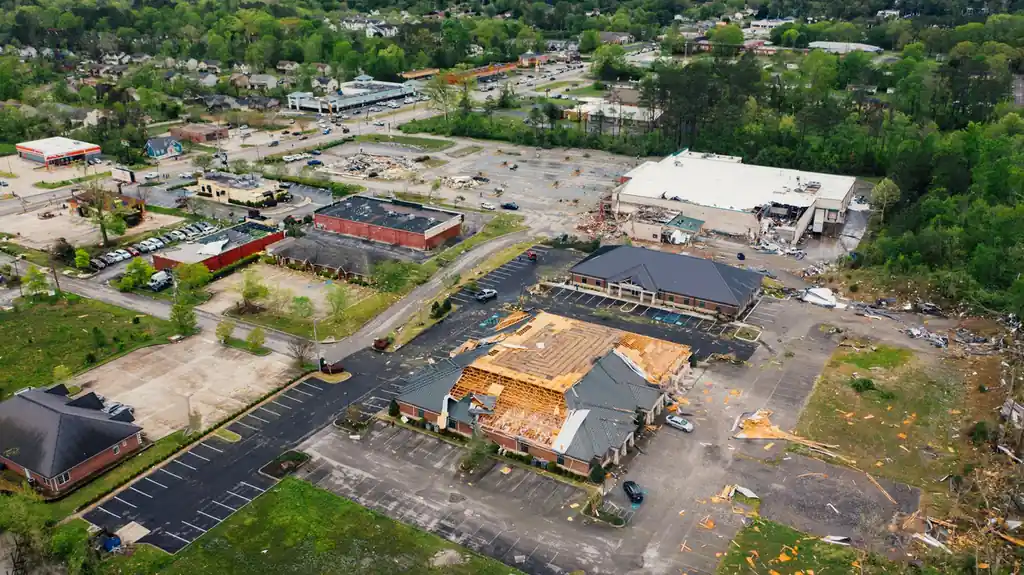
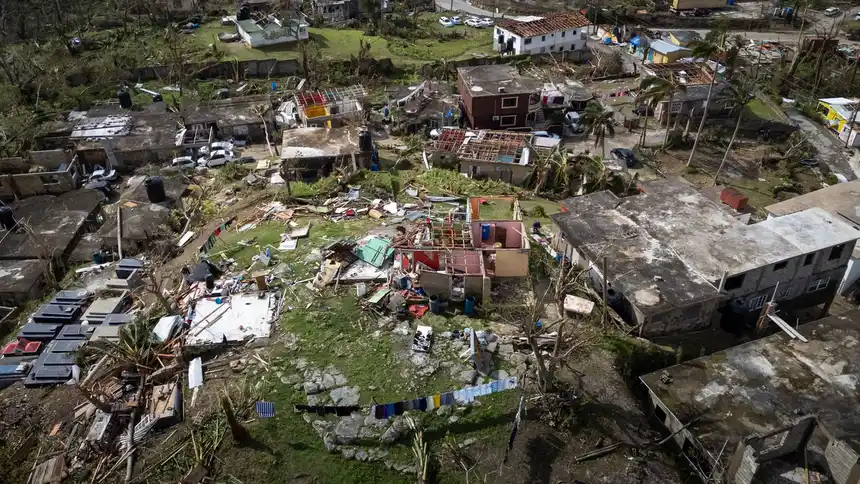
Storm Damage Restoration in Henrico means stopping the damage first, then rebuilding what the storm tore apart. We tarp roofs, board windows, extract water, and dry structures before mold sets in. If a nor'easter, derecho, or summer squall just hit your place in Short Pump, Varina, or anywhere across Henrico County, call us. We answer 24/7 and roll trucks with tarps, generators, and drying gear already loaded.
Service overview
What Storm Damage Restoration in Henrico actually involves
Storm Damage Restoration in Henrico is the full sequence of work that takes a storm-damaged property from unsafe and wet back to dry, sealed, and code-correct. That means emergency tarping and board-up, water extraction with industrial wet/dry vacuums, structural drying using air movers and dehumidifiers, debris hauling, and then the rebuild: shingles, flashing, plywood, drywall, insulation, and paint. We document everything with a moisture meter and thermal imaging camera so nothing hides behind the walls.
Henrico sits in a bullseye for severe weather. Summer thunderstorms drop two inches in an hour and overwhelm gutters, tropical remnants push water into crawl spaces in Varina and Sandston, and winter ice dams back water under shingles in Wyndham and Twin Hickory. When you search for storm damage repair near me Henrico after a bad night, you need a crew that knows the difference between a wet floor and a wet subfloor. We do.
Practical benefits
Why Henrico homeowners call us first
Storm damage gets worse by the hour. Water wicks into drywall, mold spores activate within 24 to 48 hours, and a small roof leak becomes a ceiling collapse. Here is what you get when you call us instead of waiting on a general handyman.
24/7 emergency response
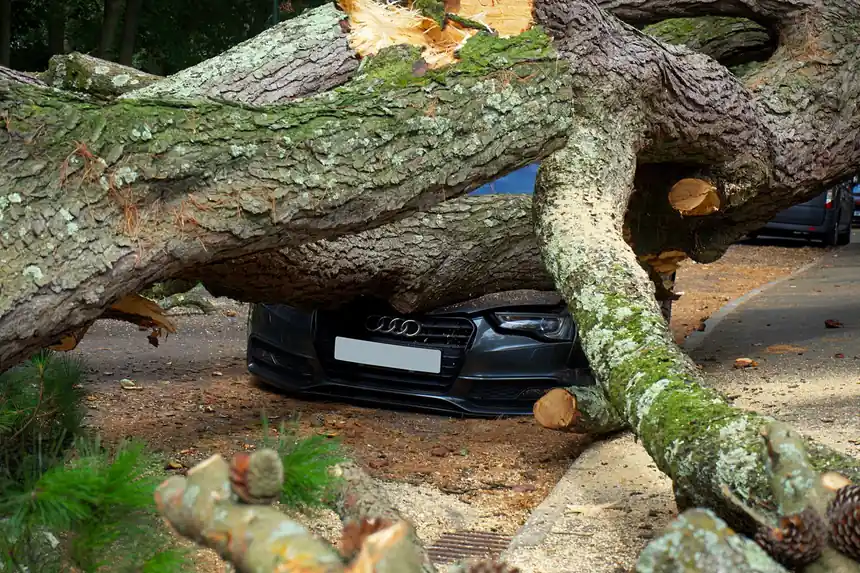
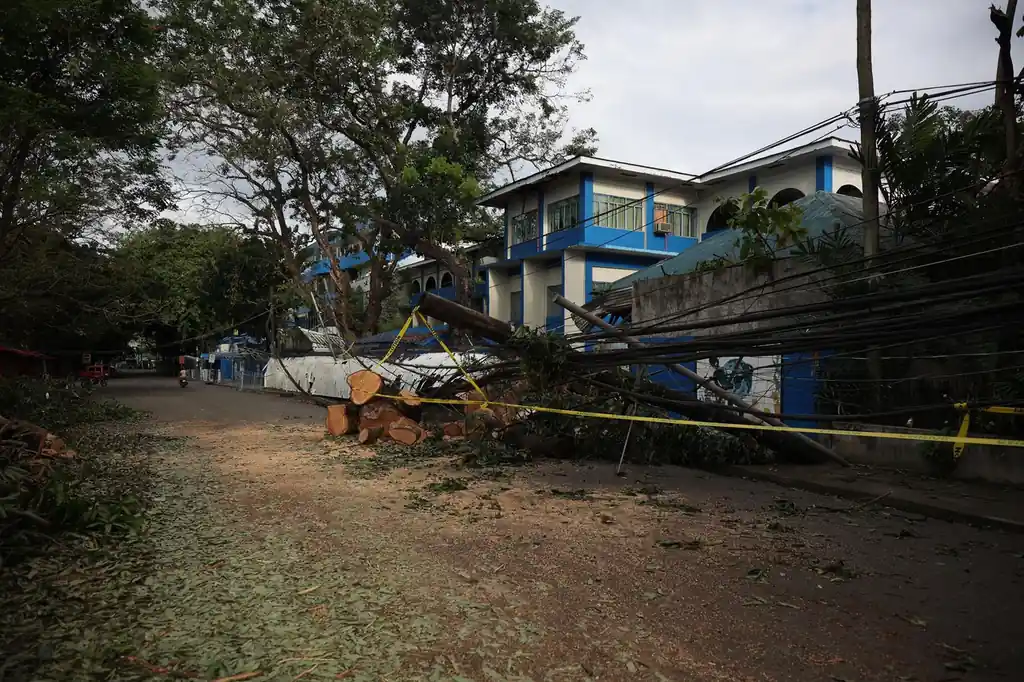
We answer the phone at 2 a.m. after a tree limb punches through your roof in Lakeside. Crews arrive with roof tarp, plywood, and a generator to secure the opening before the next rain band hits. Most emergency calls in Henrico get a truck on-site the same night.
Insurance-ready documentation
We photograph every damaged shingle, log moisture readings room by room, and build the scope in Xactimate, the same estimating platform most carriers use. That means fewer back-and-forth emails and a cleaner storm damage repair Henrico claim from day one.
Drying done to IICRC standard
Our techs hold IICRC WRT and ASD certifications and dry to the S500 standard. We set air movers and dehumidifiers, check readings daily, and do not pull equipment until the structure hits dry standard. That is how you avoid a mold problem three weeks later.
One crew, start to finish
Tarping, extraction, drying, debris removal, and the rebuild all run through our team. No juggling three contractors who blame each other. You get one point of contact, one schedule, and one warranty on the finished storm damage restoration in Henrico.
How service works
Our storm damage restoration process
Every job follows the same five steps, whether it is a flooded basement in Glen Allen or a wind-torn roof in Highland Springs. Here is exactly what you can expect from the first call to the final walkthrough.
STEP 01
Emergency call
You call (804) 375-6073 and describe what happened. We ask about active water, roof openings, and electrical hazards, then dispatch the closest crew. Most Henrico addresses see a truck within 60 to 90 minutes for true emergencies like a flooded basement or a tree on the roof.
Tools and methods
Tools and methods we use
Moisture meter
Pin and pinless meters read moisture content in drywall, framing, and subfloor. We log readings daily to prove the structure is drying and know exactly when to pull equipment.
Thermal imaging camera
Infrared scans reveal wet pockets behind walls and under floors that the eye cannot see. This is how we find hidden water damage before it becomes a mold claim.
Air movers and dehumidifiers
We run Dri-Eaz and Phoenix Restoration Equipment units to move air across wet surfaces and pull moisture out of the air. A typical Henrico basement dry-down uses six to twelve air movers and two to four dehumidifiers.
Industrial wet/dry vacuum
Pulls standing water out of carpet, hardwood, and concrete faster than a shop vac. We use it right after extraction to get the surface dry enough for air movers to work.
Roof tarp and plywood
6-mil tarps and 1/2-inch plywood secure roof openings and broken windows the same night. This is the first line of defense against the next rain band.
Generator
When the storm knocks out power, our generator keeps dehumidifiers and air movers running. Drying cannot pause just because the grid is down.
Chainsaw and pry bar
Chainsaws clear fallen limbs and pry bars open walls and floors for inspection. Both are standard on every storm response truck we send out.
IICRC S500 drying standard
We dry to the S500 standard, which sets target moisture content for different materials. Daily readings confirm the structure is hitting dry standard before we pull equipment, which is how we avoid mold callbacks.
Xactimate estimating
We build the scope in Xactimate, the same platform most insurance carriers use. That means line items match what the adjuster expects, which speeds up approval and reduces disputes.
Thermal and moisture mapping
We map every wet zone with a thermal imaging camera and moisture meter before we start drying. That map drives equipment placement and gives the adjuster a clear picture of the loss.
Containment and negative air
When mold or sewage is present, we set containment barriers and run negative air machines to keep spores and contaminants out of clean areas. This protects the rest of the house during remediation.
Where this service fits
When Henrico homeowners call us
A summer thunderstorm drops a limb through the roof at 11 p.m. in Lakeside.
We roll with tarps, plywood, and a generator. The opening gets covered within two hours, and the drying crew is in the attic the next morning pulling wet insulation and setting air movers. The house stays dry through the next rain band, and the insurance claim is documented before anything else gets damaged.
Tropical remnants flood a crawl space in Varina and the musty smell starts two days later.
We pump the standing water, dry the soil and framing with dehumidifiers, and replace the compromised vapor barrier. Moisture readings are logged daily until the space hits dry standard. The smell is gone, the joists are dry, and the crawl space is ready for a new vapor barrier without mold remediation.
Hail pounds a roof in Wyndham and the homeowner is not sure whether to file a claim.
We inspect the roof, document every impact point with photos and a moisture meter, and build a scope in Xactimate. Then we walk the homeowner through what the claim will likely cover. The claim gets filed with solid evidence, and the roof is repaired or replaced without the homeowner paying out of pocket for covered damage.
A winter ice dam backs water under shingles in Twin Hickory and stains the ceiling.
We tarp the roof, extract water from the attic insulation, and dry the ceiling cavity. Once dry, we replace the damaged shingles, flashing, and drywall. The leak stops, the ceiling is repaired, and the roof is sealed against the next freeze-thaw cycle.
Local execution
How storm damage restoration runs in Henrico
Henrico County sits between the James River and the Chickahominy, which means we get the worst of both worlds: tropical remnants pushing water up the watershed and fast-moving summer storms dumping two inches in an hour. Older neighborhoods like Lakeside and Highland Springs have mature tree canopies that drop limbs on roofs and power lines. Newer builds in Short Pump, Wyndham, and Twin Hickory have tighter envelopes, so when water gets in, it spreads fast through the HVAC chases. We know which Henrico zip codes flood first after a big rain and which subdivisions have the oldest shingle roofs. When you call for emergency storm damage cleanup Henrico, we already know the terrain. We also pull Henrico County permits where required and build to the current Virginia Uniform Statewide Building Code, so the finished work passes inspection the first time.
Short Pump
Newer construction with tight building envelopes. Storm water that gets in spreads quickly through HVAC chases, so fast extraction matters more here than in older homes.
Varina
Low-lying areas near the Chickahominy flood first after tropical remnants. Crawl space water removal and vapor barrier replacement are common calls here.
Lakeside
Mature tree canopy drops limbs on roofs and power lines during summer storms. Emergency tarping and board-up calls spike here after every big blow.
Wyndham
Steep rooflines and complex flashing make ice dams a winter problem. We see ceiling stains from backed-up water every freeze-thaw cycle.
Highland Springs
Older housing stock with original shingle roofs and cast-iron drains. Storm damage here often reveals pre-existing wear that needs to be addressed in the same scope.
Summer thunderstorms with 2-inch-per-hour rainfall
Gutters overflow and water sheets down siding into foundations. We see flooded basements and crawl spaces within hours of these storms.
Tropical remnants pushing up the James River watershed
Low-lying neighborhoods in Varina and Sandston flood first. Crawl space water removal and sewage backup cleanup become the priority calls.
Winter ice dams on steep rooflines
Water backs under shingles and soaks attic insulation. We tarp, extract, and dry the attic cavity before mold sets in.
Mature tree canopy in older neighborhoods
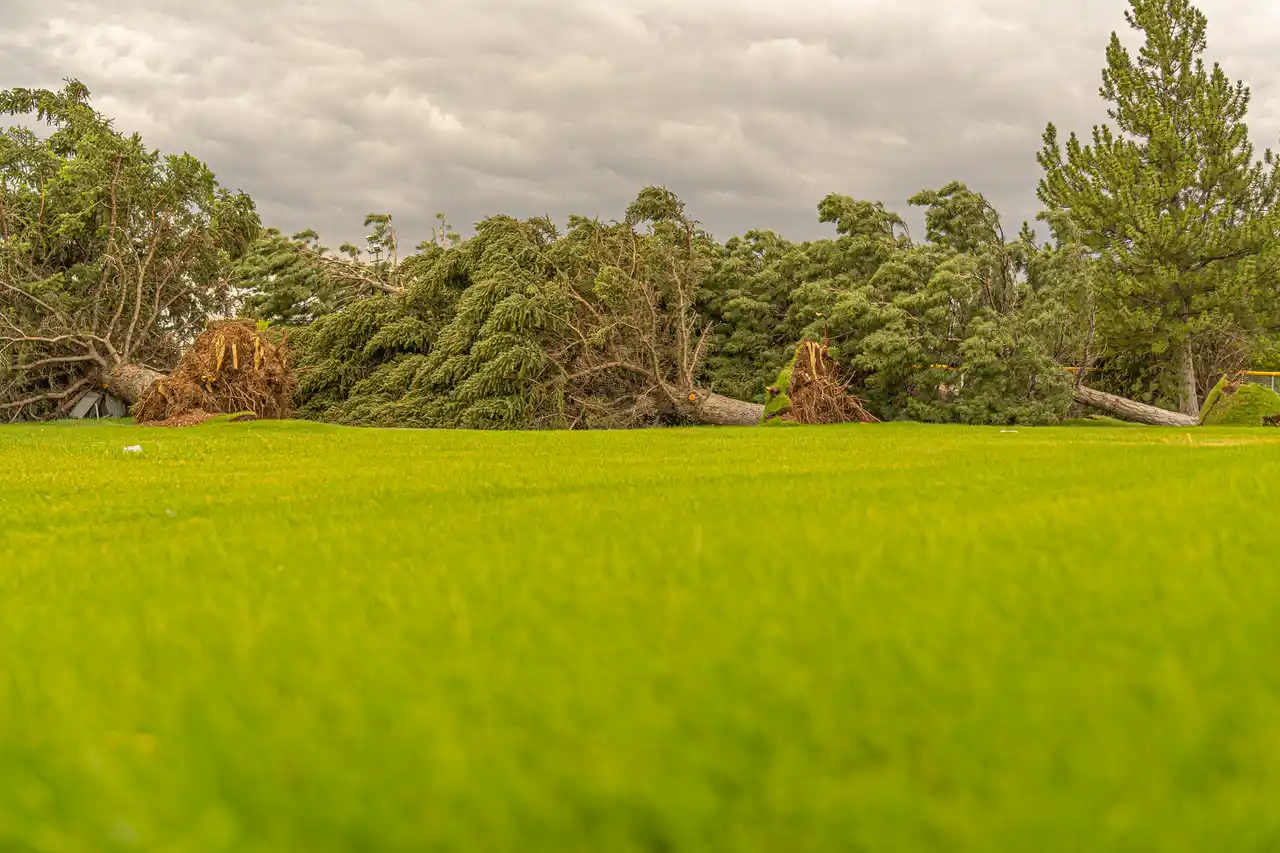
Falling limbs punch through roofs and take out power lines. Emergency tarping and board-up calls spike the night of the storm.
Problems we solve
Storm damage problems we solve in Henrico
Storm damage rarely shows up as one clean problem. It shows up as a wet ceiling, a musty smell, a cracked foundation, and an insurance adjuster who wants proof. Here are the issues we see most often and how we handle them.
Hidden water damage behind walls and ceilings
We scan with a thermal imaging camera and moisture meter to find every wet pocket, then extract and dry the cavity. No guessing, no tearing out drywall that does not need to come out. Water wicks into drywall and insulation for days before a stain appears. By then, framing is wet and mold is starting.
Mold growth within 48 hours of a storm
We dry the structure to IICRC S500 standard within the first 72 hours, which stops mold before it starts. If mold is already present, we contain, remove, and treat under our Virginia Mold Remediation License. Mold spores activate fast in Henrico's humid summers. Once colonized, drywall and insulation usually have to be removed.
Roof leaks that keep coming back
We find the actual entry point, not just the stain. Then we replace shingles, roofing felt, and flashing, and dry the attic cavity so the fix holds through the next storm. A patched shingle over wet decking traps moisture and rots the roof from the inside out. Every rain brings a new stain.
Flooded basements and crawl spaces
We pump, extract, and dry the space, then check the foundation and vapor barrier for the entry point. For sewage backups, we handle the contaminated materials with full PPE and sanitize before rebuild. Standing water rots joists, feeds mold, and can compromise the foundation. Sewage backups add a Category 3 hazard.
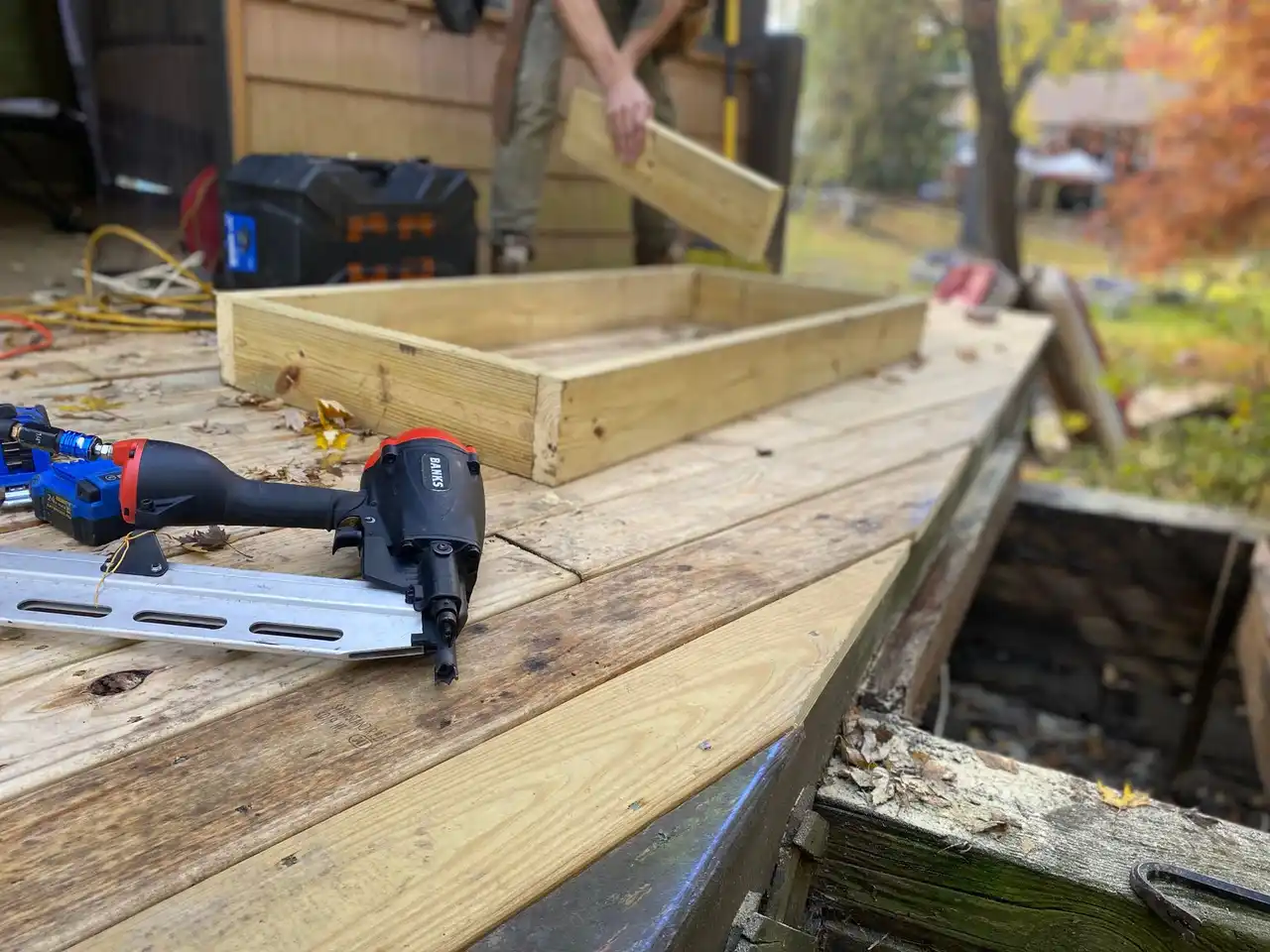
A practical standard for every visit.
Clear planningPrepared arrivalsCareful workLocal follow-through
Experience in the details
Local experience you can lean on
BlueRidge Storm Response is a Henrico-based storm damage restoration company Virginia homeowners call when the weather turns. Our techs carry IICRC WRT and ASD certifications, work under a Virginia Class A Contractor License, and hold EPA Lead-Safe Certification for pre-1978 homes common in older Henrico neighborhoods. We have dried out crawl spaces in Varina, tarped roofs in Short Pump, and pulled soaked drywall out of basements in Tuckahoe. We know how Henrico County inspectors want the work done, and we build to that standard every time.
Where we work
One local team. A lot of ground covered.
Short PumpWest EndTuckahoeThree ChoptGlen AllenInnsbrookLaurelVarinaSandstonHighland SpringsChamberlayneBrookland
Check my address Notes from local customers
What Henrico neighbors say
A summer storm dropped a limb through our roof at 11 p.m. BlueRidge had a tarp on it by 1 a.m. and the drying crew in the attic the next morning. They handled the Xactimate scope with our adjuster and we never had to chase anybody. Roof was rebuilt in four days.
Tropical remnants flooded our crawl space and we had no idea how bad it was. The tech showed me the moisture meter readings before and after. Three days of drying, new vapor barrier, and the musty smell is gone. Fair price and they explained every step.
We manage six rentals and storms hit us hard last spring. BlueRidge tarped two roofs, dried a flooded basement, and hauled debris from three yards in one week. Clean documentation for every unit made the insurance claims painless. They are our first call now.
Most Henrico storm damage restoration jobs run $1,800 to $8,500 in 2026, depending on scope. A tarp-and-dry job on a small roof leak might land near $1,800. A flooded basement with three rooms of drywall and flooring often runs $6,000 to $8,500. Insurance typically covers the bulk of it when the damage traces back to a covered storm event.
Repair fixes the visible damage, like replacing shingles or patching drywall. Restoration goes further: it dries the hidden moisture, kills mold risk, documents the loss for insurance, and rebuilds to pre-storm condition. In Henrico, we almost always do both, because a repaired roof over a wet attic will rot the framing within a season.
The best company is the one that answers at 2 a.m., shows up with tarps and drying gear, documents the loss in Xactimate, and finishes the rebuild with a warranty. Ask any Henrico storm damage restoration company near me for their IICRC certifications, Virginia Class A license, and proof of insurance before you sign anything.
Yes, most homeowner policies in Henrico cover sudden storm damage from wind, hail, falling trees, and rain entering through a storm-created opening. Flooding from rising water usually needs a separate policy. We document everything, build the scope in Xactimate, and work directly with your adjuster to keep the claim moving.
Keep exploring
Related Services
Your next step is waiting
Need Storm Damage Restoration in Henrico tonight?
We answer 24/7, roll with tarps and drying gear loaded, and document every loss for your insurance claim. Call (804) 375-6073 and we will get a crew headed your way.
Start with the basics
Contact BlueRidge Storm Response
Call (804) 375-6073 any hour, any day. We answer live, dispatch the nearest crew, and give you a real ETA, not a callback promise. For non-emergency estimates, email us or use the form and we will schedule a same-day or next-day visit across Henrico.