How to remove storm debris from your yard safely in Glen Allen
Storm debris cleanup after a Glen Allen storm starts with safety, not a rake. Here is the order of operations we use, plus disposal rules and when to call a pro.
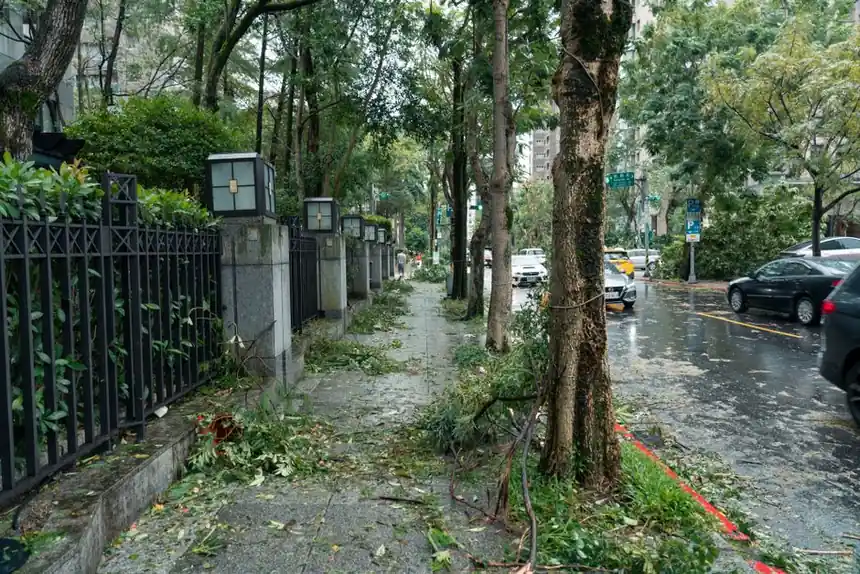
Removing storm debris from your yard safely in Glen Allen means clearing the small, loose material first, then working from the outside of any pile toward the center, and never touching anything that is tangled with a downed power line or leaning against a structure. Most homeowners can handle branches under 4 inches in diameter with hand tools. Anything bigger, or anything within 10 feet of a wire, is a job for a crew with the right equipment.
We run these calls all over Henrico after every summer squall and winter ice event, and the pattern is always the same: the people who get hurt are the ones who grab a chainsaw before they look up. This guide walks you through the safety checks, the order of operations, the disposal rules for Henrico County, and the point where calling a professional is the cheaper decision.
How do I remove storm debris from my yard safely in Glen Allen?
You remove storm debris safely by treating the yard like a work zone: assess from a distance, de-energize what you can, clear the light material by hand, and only then bring in tools for the heavier limbs. Storm debris removal in Glen Allen is really a sequence problem. Do the steps out of order and you create new hazards - a limb that was resting on a fence becomes a spring-loaded hazard the moment you cut the wrong end.
Start by walking the perimeter of your property without stepping into the debris field. Look for three things: wires down or sagging, trees or large limbs leaning at an angle, and water pooling near your foundation. If you see any of those, stop and call for help. Everything else can usually be handled by hand.
For the average Glen Allen yard after a 40 to 50 mph wind event, expect two to four hours of work for one person with a rake, loppers, and a wheelbarrow. That estimate assumes no structural damage and no limbs over 4 inches in diameter. Add time - and risk - for every one of those you find.
Safety first: what to check before you touch a single branch
Before you pick up a rake in Glen Allen, check for downed power lines, leaning trees, and standing water near electrical outlets or HVAC equipment. Those three hazards account for most storm-cleanup injuries, and none of them are visible if you start working from the house outward.
Here is the pre-work checklist we use on every job:
- Power lines: Assume every downed line is live. Stay at least 30 feet back and call Dominion Energy at 1-866-366-4357. Do not move branches that are touching a wire, even with a wooden pole.
- Leaning trees: A tree that is still standing at an angle is under tension. Cutting it from the wrong side can send it onto you or your house. Mark it and leave it.
- Water and electricity: If water is standing near your outdoor AC unit, pool pump, or a detached garage panel, shut off the breaker before you wade in.
- Overhead hazards: Look up. Broken limbs hung up in the canopy - called widowmakers - fall without warning, often hours after the storm passes.
- Personal protective equipment: Gloves, safety glasses, long pants, and boots with a hard sole. Steel-toe is better. Shorts and sneakers are how people end up in the ER with a puncture wound.
If you find roof damage while you are walking the yard - missing shingles, a tarped-over section that has shifted, or a limb resting on the roofline - get it looked at before the next rain. We handle Roof Storm Damage Repair in Henrico, Virginia and can usually tarp the same day.
One more thing: if your yard backs up to a creek or drainage easement, check whether the storm pushed water into your crawl space or basement. That is a different problem than yard debris, and it gets worse fast. Our team handles Crawl Space Water Removal in Henrico, Virginia for exactly this situation.
The right order of operations for yard storm cleanup in Glen Allen
Yard storm cleanup in Glen Allen goes fastest when you work from the smallest material to the largest, and from the outside of the pile inward. Most people do the opposite - they attack the big limb first, then spend twice as long untangling the small stuff underneath it.
Here is the order we follow:
- Clear the walking path. Rake the light debris off your driveway, walkways, and the route to your breaker panel. You need a safe way in and out before anything else.
- Pick up by hand. Twigs, leaves, shingles, and small branches go into a wheelbarrow or tarp. This is 60 to 70 percent of the volume in a typical Glen Allen yard after a storm.
- Cut limbs into manageable lengths. Anything under 4 inches in diameter can be lopped or sawed into 3 to 4 foot sections. Stack them off the ground so they do not rot into your lawn.
- Deal with the big stuff last. Limbs over 4 inches, trunks, and root balls need equipment and, often, a second person. This is the stage where most injuries happen.
- Check your gutters and downspouts. Debris in the gutters is the number one cause of the water damage calls we get two weeks after a storm. Clear them before the next rain.
If your gutters took a hit - pulled away from the fascia, dented, or clogged solid - that is a repair, not a cleanup. We do Gutter Storm Damage Repair in Henrico, Virginia and can tell you in one visit whether the run is salvageable.
Tools that actually help (and the ones that get people hurt)
For storm debris removal in Glen Allen, the tools that earn their keep are a sturdy rake, a pair of bypass loppers, a bow saw, thick gloves, and a wheelbarrow or a heavy-duty tarp. That kit handles 80 percent of what a typical yard throws at you.
A chainsaw is the tool that sends the most homeowners to the emergency room after a storm. If you are not experienced with one, do not learn on a tensioned limb in your backyard. A pinched bar, a kickback, or a limb that rolls the wrong way can end the day badly.
Skip the leaf blower for wet debris - it just smears it. Use it after the yard is dry to clean the last of the small material off hard surfaces.
If you have a lot of branches to break down, a chipper is worth renting for a day. In the Richmond area, a 3 to 4 inch capacity chipper runs about $250 to $350 per day in 2026, plus fuel. That is cheaper than paying for multiple debris pickups if you have a large lot.
How to dispose of storm debris in Henrico County
Henrico County collects storm debris curbside after major events, but only if you separate it correctly and place it where the collection crews can reach it. Yard debris - branches, leaves, and brush - goes in a separate pile from construction material, and it needs to be at the curb, not in the street or on the sidewalk.
Here is how we tell customers to stage it:
- Yard debris: Branches cut to 4 feet or less, stacked parallel to the curb. No bags needed for limbs; bag leaves and small twigs.
- Construction debris: Fencing, shingles, and treated lumber go in a separate pile. These are not accepted in the same pickup as yard waste.
- Hazardous material: Paint, chemicals, and anything from a flooded garage go to a county household hazardous waste event, not the curb.
- Volume limits: Curbside pickup is capped per household. If you have more than a standard pickup load, you may need to haul it yourself or hire a crew.
The Henrico County waste drop-off sites accept yard debris from residents, and the county publishes storm-specific collection schedules after named events. Check the county site the day after the storm - schedules shift based on how many crews are out.
If hauling is the part you want off your plate, that is exactly what our Debris Removal After Storm in Henrico, Virginia service is for. We load, haul, and dispose of it so you are not making three trips to the dump with a trailer.
What to watch out for: common mistakes after a storm
The most common mistake after a storm in Glen Allen is treating the cleanup as a race. The second most common is assuming the damage you can see is the only damage there is.
Watch for these:
- Cutting a leaning tree from the wrong side. A tree under tension can kick back. If you are not sure which way it wants to fall, leave it.
- Dragging heavy limbs across the lawn. You will gouge the turf and, worse, drag a hidden nail or shard of glass across your foot. Carry or roll, do not drag.
- Ignoring the roof. A limb that scraped the shingles can leave a pinhole leak that shows up as a ceiling stain three weeks later. Get the roof checked.
- Stacking debris against the house. It traps moisture against the siding and foundation. Keep piles at least 3 feet off the wall.
- Forgetting the gutters. A single clogged downspout can push water into your basement during the next rain. Clear them the same week.
- Assuming the insurance adjuster will find everything. Document with photos before you clean up. Once the debris is gone, the evidence is gone.
If your cleanup turns up damage to the house itself - siding, windows, fencing, or the roof - that is a different scope than yard debris. Our team handles Siding Storm Damage Repair in Henrico, Virginia and the rest of the exterior envelope, and we can document it for your claim while we are on site.
When to call a professional
Call a professional when the debris involves a downed wire, a tree on a structure, a limb over 4 inches in diameter that is under tension, or anything you cannot safely reach from the ground. Those four situations cover the vast majority of the calls we run in Glen Allen.
There is also a practical threshold. If the cleanup is going to take you more than a full day, or if you do not own the right tools, hiring a crew is usually cheaper than buying or renting equipment and risking an injury. We see homeowners spend $400 on a chainsaw and a chipper rental to clear a yard we would have handled in three hours.
BlueRidge Storm Response works Glen Allen and the rest of Henrico County. We assess the yard, separate what is yard debris from what is structural damage, and handle both. If the storm also pushed water into your home, we can move straight into drying and repair without you having to call a second company.
If you are dealing with a fallen tree on or near the house, that is a job for Tree Removal After Storm in Henrico, Virginia - not a weekend project. We have the rigging and the insurance to take it down without adding damage to the structure.
Frequently Asked Questions
How do I remove storm debris from my yard safely in Glen Allen?
Clear small debris by hand first, work from the outside of any pile inward, and never touch anything tangled with a power line. Stay 30 feet back from downed wires and call Dominion Energy. Limbs over 4 inches in diameter need a professional crew.
Who removes storm debris in Glen Allen Virginia?
Henrico County offers curbside yard debris pickup after major storms, and private crews like BlueRidge Storm Response handle larger jobs, tree removal, and hauling. Most homeowners use the county for light yard waste and a pro for anything structural.
Does insurance cover storm debris removal in Glen Allen?
Most homeowners policies cover debris removal up to a set limit, often 5 percent of your dwelling coverage, when the debris is tied to a covered loss like wind or a fallen tree hitting the house. Yard-only cleanup is sometimes excluded. Photograph everything before you haul it.
How much does storm debris removal cost in Glen Allen?
Typical 2026 pricing in this area runs $300 to $800 for a standard residential yard, and $1,200 to $3,500 or more when a tree has to be removed from a structure. Cost depends on volume, equipment access, and whether hauling is included.
How long does it take to clean up a yard after a storm?
A typical Glen Allen yard takes two to four hours of hand cleanup for one person after a moderate wind event. Add a full day or more if there are large limbs, a downed tree, or structural damage that has to be addressed first.
Get help with Storm Damage Restoration in Henrico
If the cleanup is bigger than a rake and a few trash bags, we can take it from here. BlueRidge Storm Response handles Storm Damage Restoration in Henrico, Virginia - yard debris, tree removal, roof and siding repair, and the water damage that often follows.
Call us at (804) 375-6073 and we will walk your property, tell you what is yard work and what is a repair, and get it handled.