
Signs of Hidden Water Damage Behind Walls After a Storm in Short Pump
Storm water hides behind drywall in Short Pump homes. Learn the signs, how to detect it, what repair costs, and when to call a restoration pro.
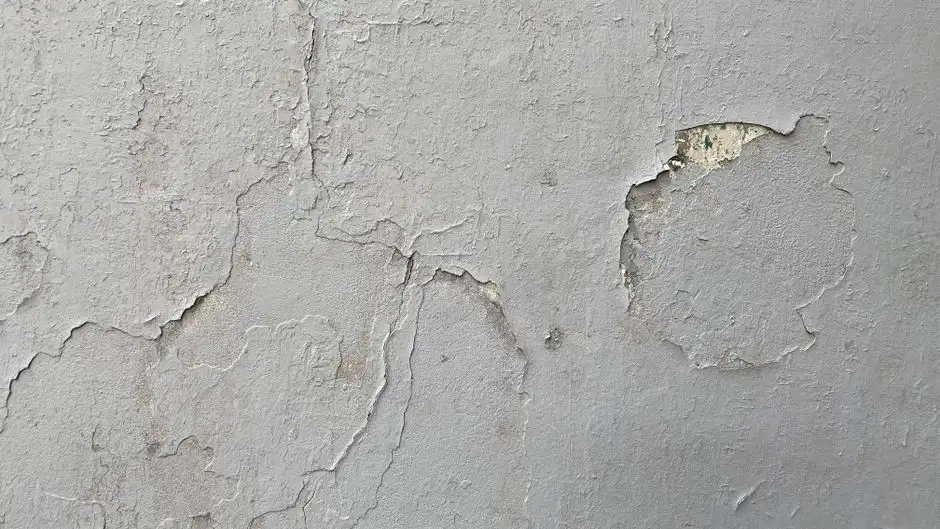
The clearest signs of hidden water damage behind walls after a storm in Short Pump are a musty smell that won't clear, paint that bubbles or peels, drywall that feels soft or cool, and baseboards that swell or separate from the wall. If you notice any of these weeks after a storm, moisture is already trapped inside the wall cavity. This post covers why that happens in Short Pump specifically, how to confirm it, what repair costs in 2026, and when to bring in a pro.
We run these calls every week across Henrico, and the pattern is almost always the same: the storm passed, the roof looked fine from the driveway, and three weeks later the homeowner is pointing at a brown ring on the ceiling. Water doesn't need a visible hole to get in. It needs a path.
Why Storm Water Hides Behind Short Pump Walls
Short Pump homes sit on a mix of 1990s-2000s subdivisions and newer construction, and both have weak points that push storm water into wall cavities instead of onto the floor where you'd see it. The water enters through a failed flashing detail, a hairline crack in the brick veneer, a clogged gutter that overflows at the fascia, or a window seal that dried out over the summer.
Once inside, water follows the path of least resistance. It wicks through insulation, runs down the inside face of the sheathing, and pools on the bottom plate of the wall - the horizontal 2x4 that sits on the subfloor. That bottom plate is the single most common place we find rot in Short Pump homes after a storm. It stays wet for weeks because air can't reach it.
Hidden water damage behind walls is moisture intrusion that has soaked into framing, insulation, or drywall inside a closed wall cavity without producing an obvious leak or puddle. It's the kind of damage you can't see until it has already compromised the structure or grown mold.
Humidity matters here too. Central Virginia summers push indoor relative humidity into the 60-70% range, and once a wall cavity is wet, that ambient moisture slows drying instead of helping it. A cavity that would dry in 5 days in a dry climate can stay wet for 3 weeks in a Short Pump August.
What Are the Signs of Hidden Water Damage Behind Walls in Short Pump?
The signs of hidden water damage behind walls in Short Pump fall into three groups: what you smell, what you see, and what you feel. Most homeowners notice the smell first and dismiss it as a damp basement or a dirty HVAC filter.
Smell and air quality
- A musty, earthy odor that gets stronger in one room or one corner
- An odor that returns within days of running an air purifier
- Allergy-like symptoms - sneezing, itchy eyes - that clear when you leave the house
Mold can colonize a wet wall cavity in 24 to 48 hours. By the time you smell it, the colony is usually established on the paper facing of the drywall or on the insulation.
What you see on the wall surface
- Paint that bubbles, blisters, or peels in a vertical line
- Brown or yellow water rings, especially near the ceiling or above a window
- White chalky residue (efflorescence) on brick or block
- Baseboards that have pulled away from the drywall by 1/8 inch or more
- Dark streaks running down the wall from a corner or trim piece
That vertical line of bubbling paint is a strong tell. It usually means water is running down the inside of the wall and pushing out through the paint film at the point where the drywall is wettest.
What you feel
- Drywall that feels soft, spongy, or cool to the touch compared to the wall next to it
- A floor that feels slightly bouncy or uneven near the wall
- Trim or door frames that have swelled enough to stick
If you press a fingernail into the drywall and it leaves a dent instead of a chalky mark, the paper facing has already broken down. That wall needs to come out.
How Do You Detect Water Damage Behind Walls in Short Pump?
You can detect water damage behind walls in Short Pump with three tools: a moisture meter, a thermal camera, and your nose. A pin-type moisture meter reads the percentage of water in drywall and wood - anything above 16% on wood or 1% on drywall is elevated. A thermal imaging camera shows the temperature difference between wet and dry sections of wall, which often appears as a dark or cool patch.
If you don't own those tools, here's what you can do today:
- Walk the perimeter of each room and press the drywall near the floor and ceiling with your palm. Look for cool spots.
- Shine a bright flashlight at a low angle across the wall. Bubbles, ripples, and hairline cracks show up in raking light.
- Check the baseboards. If a baseboard moves when you press it, the wood behind it is likely wet.
- Look inside the attic and crawl space. Water stains on the underside of roof sheathing or on crawl space joists point to a wall cavity problem above.
- Snap a photo of anything suspicious with a ruler or coin for scale. You'll want it for the insurance claim.
What you shouldn't do is cut into the wall yourself before you've documented the damage. Insurance adjusters want to see the pre-cut condition, and a clean 12-inch inspection hole is easy to patch - a hacked-up wall is not.
If you'd rather not guess, we offer a full Water Damage Restoration in Henrico, Virginia inspection that includes moisture mapping of every wall in the affected area. We tell you what's wet, how wet, and whether it can be dried in place or has to be removed.
What Hidden Water Damage Repair Costs in Short Pump
Typical 2026 pricing for hidden water damage repair in Short Pump runs $1,200 to $3,500 for a single wall cavity, and $4,000 to $12,000 or more when the damage has spread to multiple rooms, the subfloor, or the framing. The range is wide because the cost depends on how long the water has been sitting and how much material has to be replaced.
Here's how the numbers break down:
- Moisture inspection and mapping: $250-$500
- Structural drying (per room, 3-5 days): $800-$2,200
- Drywall removal and replacement (per 4x8 sheet): $150-$350 installed
- Mold remediation (per 100 sq ft): $500-$1,500
- Framing repair or sistering: $400-$1,800 per wall section
- Baseboard and trim replacement: $6-$12 per linear foot
Drying equipment is the line item homeowners most often try to skip. Don't. A wall that reads dry on the surface can hold moisture at the bottom plate for another two weeks. We use Structural Drying and Dehumidification in Henrico, Virginia with daily moisture readings until the cavity hits dry standard - usually 3 to 5 days for a single wall, longer for a whole room.
If the storm also damaged the roof or siding that let the water in, that repair is separate. We handle Roof Storm Damage Repair in Henrico, Virginia and can coordinate it with the interior drying so you're not waiting on two contractors.
Common Mistakes Homeowners Make After a Storm
The most expensive mistake we see is painting over a water stain. Paint traps moisture in the wall and hides the evidence from the next person who inspects the house - including a buyer's inspector. The stain comes back within a month, usually darker.
Other mistakes:
- Running a box fan and calling it dried. A fan moves air across the surface. It doesn't pull moisture out of a closed cavity.
- Waiting for the smell to go away. It won't. It gets worse as the mold colony grows.
- Filing the insurance claim before documenting. Take photos and video of every stain, bubble, and swollen baseboard before you move anything.
- Assuming the roof is fine because you don't see a leak. Most storm-related roof intrusions show up as a slow drip inside the wall, not a ceiling waterfall.
- Ignoring the crawl space. Water that enters a wall often drains down into the crawl space. If the joists under the affected wall are damp, the problem is bigger than one wall.
One more: don't throw away damaged materials before the adjuster sees them. Pile them in the garage with a photo of where they came from.
When to Call a Professional
Call a professional when the moisture meter reads above 16% on wood, when you can smell mold, when the affected area is larger than one wall cavity, or when the water came from a storm that also damaged the roof, siding, or windows. Those are the cases where DIY drying fails and the damage gets worse.
We handle the whole chain: find the entry point, dry the cavity, remove what can't be saved, treat for mold, and put the wall back. If the storm opened the roof or broke a window, we can board it up the same day so more water doesn't get in while we work.
We also work directly with your insurance adjuster. Hidden water damage claims get denied more often than visible damage claims because the cause isn't obvious from the outside. We document the moisture readings, the thermal images, and the storm event so the adjuster has what they need to approve the scope.
Frequently Asked Questions
What are the signs of hidden water damage behind walls in Short Pump?
A musty odor, bubbling or peeling paint, brown water rings, soft or cool drywall, and baseboards that swell or pull away from the wall. Any one of these after a storm means moisture is trapped in the cavity. Two or more means you should get a moisture inspection within 48 hours.
How do I know if I have water damage behind my walls in Short Pump, Virginia?
Press the drywall and baseboards for soft or cool spots, check for a musty smell that returns after airing the room out, and look for paint bubbles in raking light. A pin moisture meter reading above 16% on wood confirms it. If you don't have a meter, a professional inspection takes about 45 minutes.
Does insurance cover hidden water damage in Short Pump?
Yes, if the water came from a covered storm event - wind-driven rain, hail, or a fallen tree. Standard Virginia homeowners policies cover the resulting water damage but not long-term seepage or neglect. Document everything before repairs and file within your policy's deadline, usually 60 days.
How long does it take to dry a wet wall cavity?
A single wall cavity with professional air movers and a dehumidifier dries in 3 to 5 days. A full room takes 5 to 7 days. We check moisture readings daily and don't pull equipment until the framing reads below 16% and the drywall reads below 1%.
Can I just replace the drywall and skip the drying?
No. If the framing and insulation behind the drywall are still wet, new drywall will wick that moisture back up and mold will grow behind it within weeks. Dry the cavity first, then replace the drywall. Skipping this step is the most common reason repairs fail.
Get Help with Storm Damage Restoration in Henrico
If you've spotted any of these signs in your Short Pump home, the clock is running. Mold starts in 24 to 48 hours, and every day the cavity stays wet adds to the repair bill.
Call BlueRidge Storm Response at (804) 375-6073. We'll map the moisture, find the entry point, and give you a written scope before we start. Most Short Pump inspections are scheduled within 24 hours of your call.